
 The headline
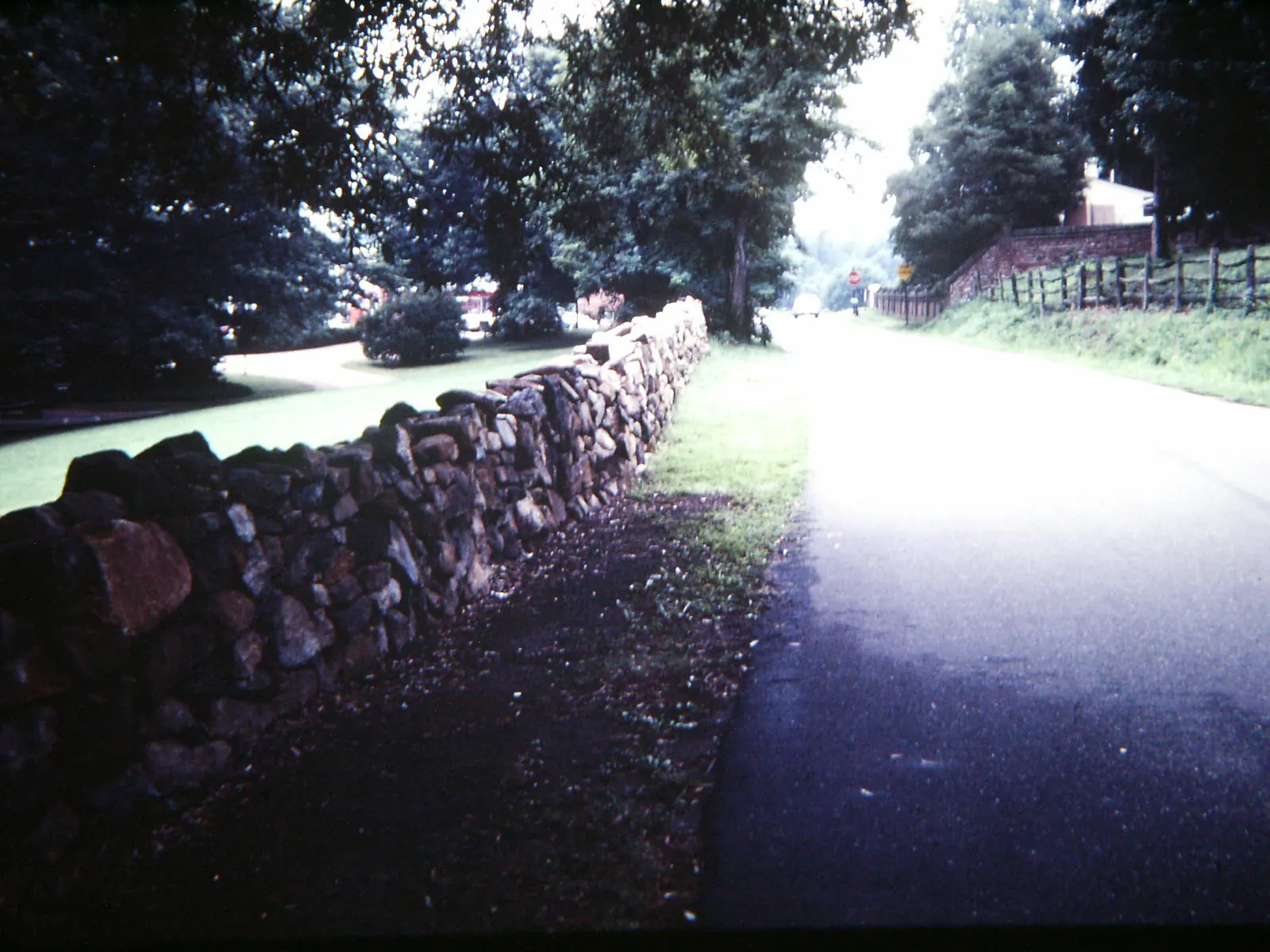
Historic Downtown & the Sunken Road
Walk Caroline Street's brick storefronts, then the Sunken Road at the battlefield. Free, sobering, and the single best two hours in the city.
Four centuries of history wrapped around a bend in the Rappahannock — and the living town that grew up on top of it. Here's all of it, honestly.
Fredericksburg sits at the fall line of the Rappahannock — the exact point where boats from the Chesapeake could go no farther upstream. That geography made it a port, a trading post, and eventually a crossroads that armies fought over twice in three years.
George Washington grew up across the water at Ferry Farm. His mother lived out her years in a house downtown. A century later, the same streets became the deadliest urban fighting of the Civil War's eastern theater. Today you can walk all of it in an afternoon — original brick, sunken roads, and a riverwalk that's quieter than the history it borders.
This guide doesn't romanticize it. It tells you what's genuinely worth your time, what's a tourist trap, and where the locals actually go.
Spotswood's ironworkers settle upriver — the region's first European foothold.
Named for Frederick, Prince of Wales. Streets named for the royal family still grid downtown.
The Washington family moves to Ferry Farm, across the Rappahannock.
The Georgian estate rises across the river — a century later a Union hospital where Walt Whitman and Clara Barton tended the wounded.
Marye's Heights and the Sunken Road — a Union catastrophe still etched into the stone wall.
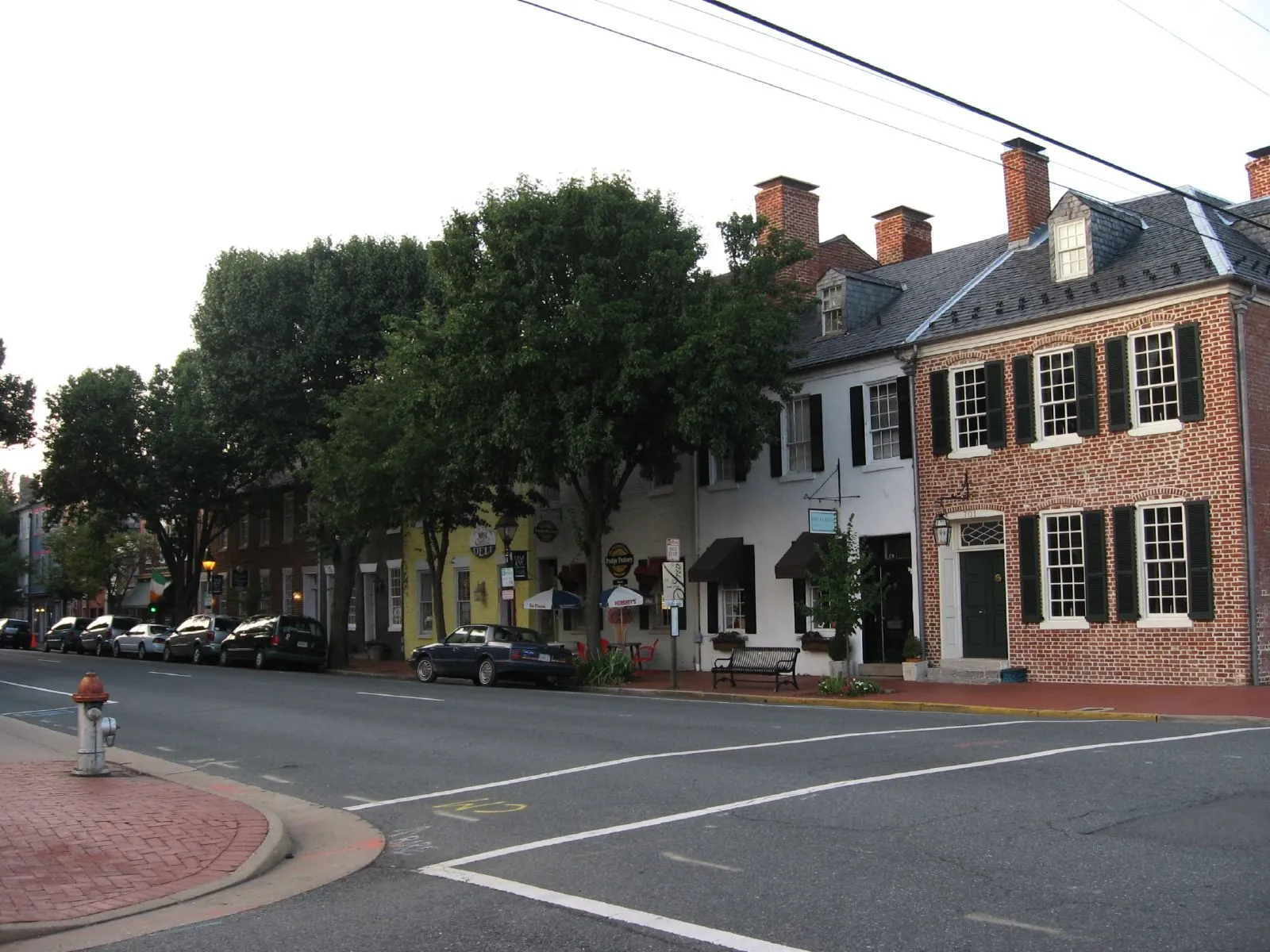
40+ blocks of working storefronts, breweries, and galleries — not a museum, a town.
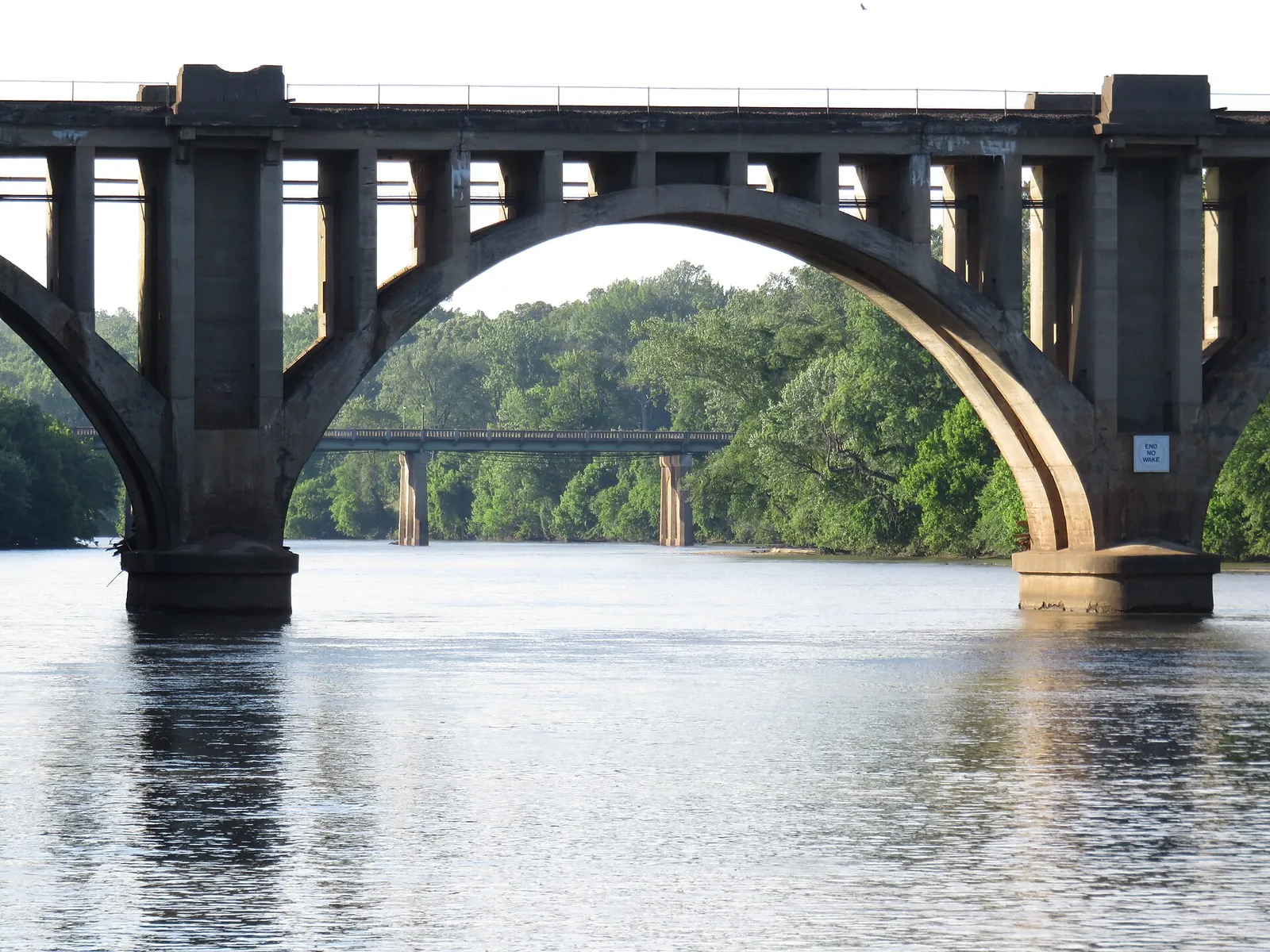
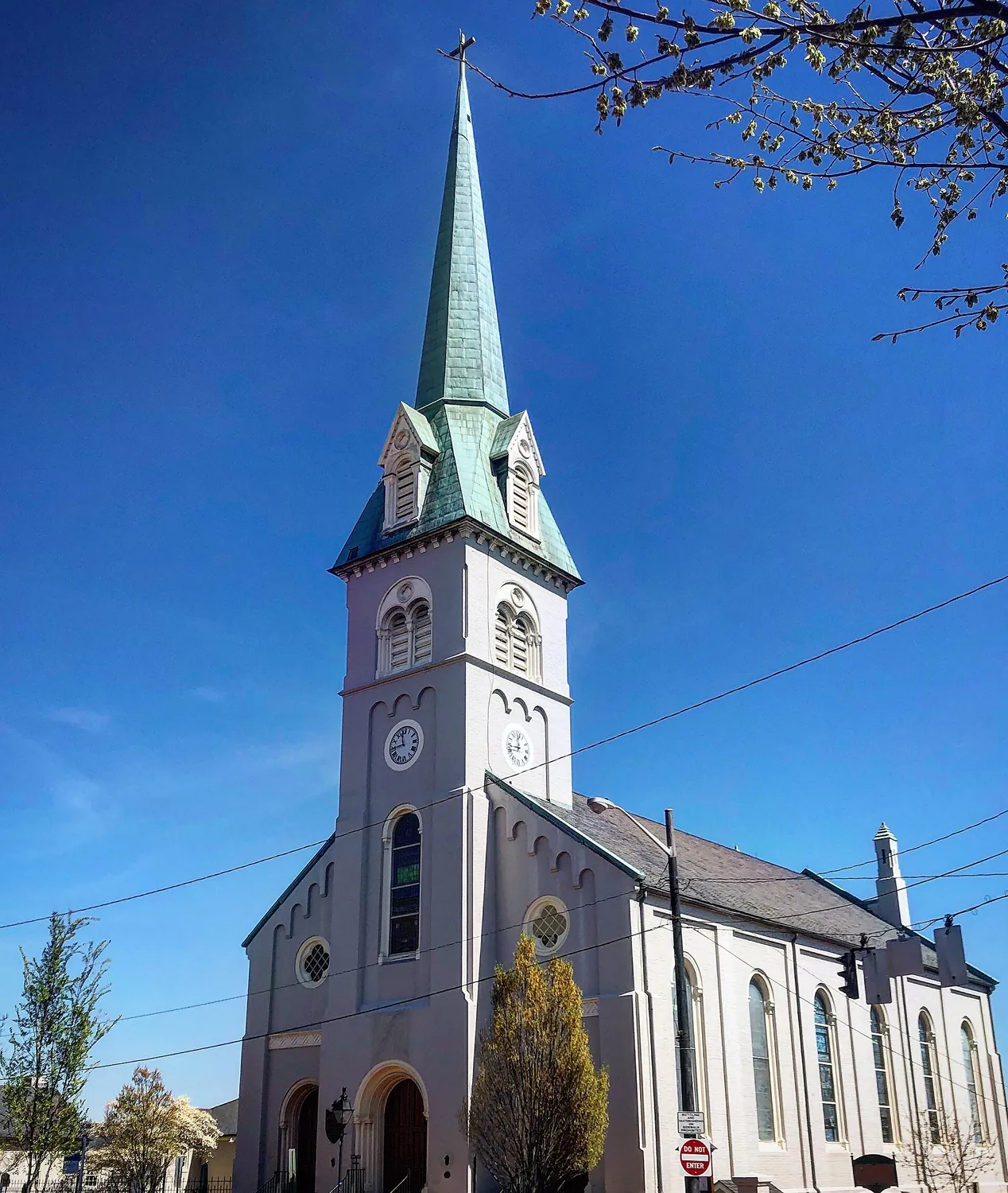
The town as it actually looks — river, brick, and stone.
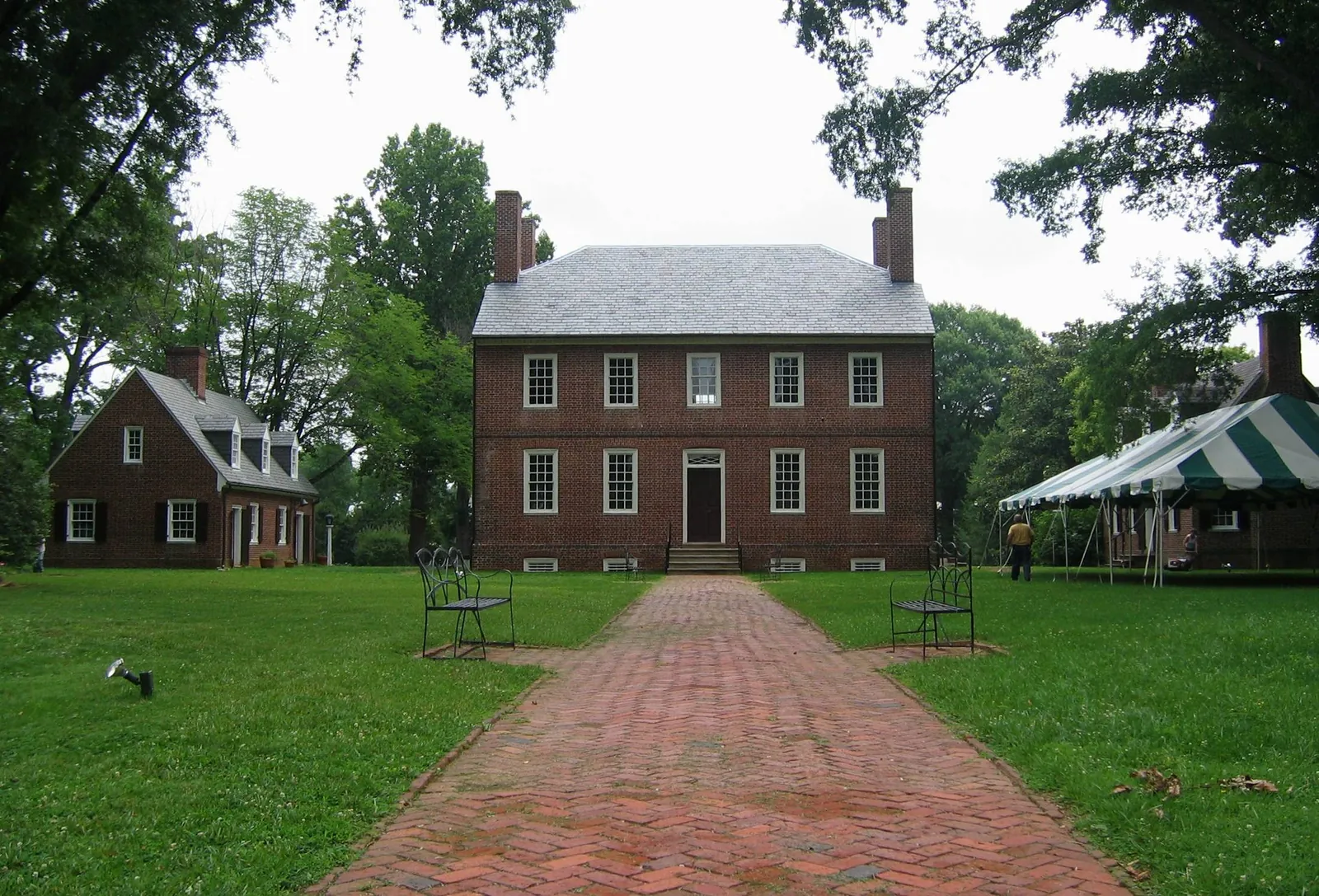
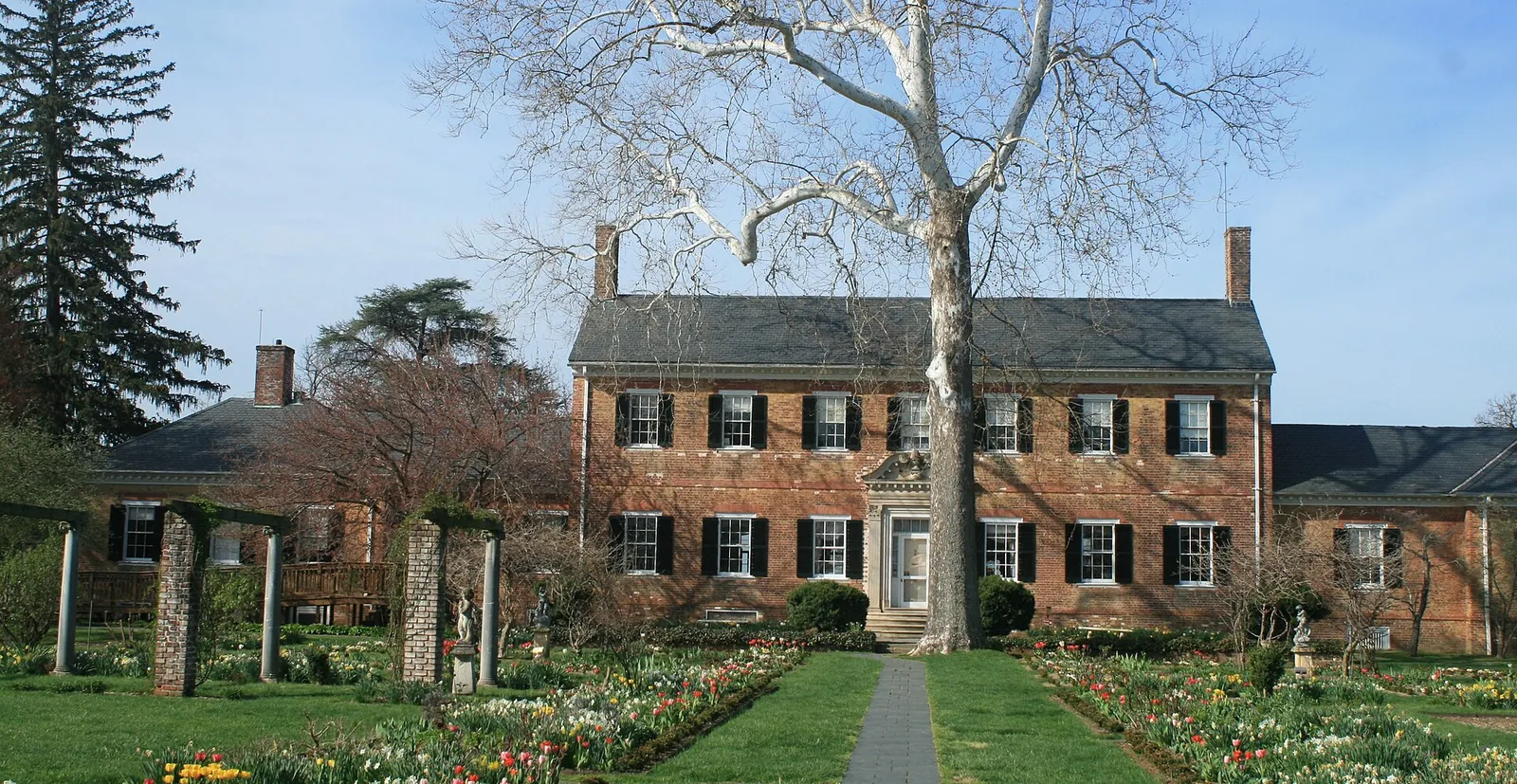
A grab-bag of the genuinely good — history, art, river, custard, and a ghost or two.
The headline
Walk Caroline Street's brick storefronts, then the Sunken Road at the battlefield. Free, sobering, and the single best two hours in the city.
Flat, shaded path along the water. Tubing launches in summer.
Where the President's mother lived. Small, real, well-told.
Working studios, not gift shops. The first Friday of each month the whole strip stays open late.
Washington's boyhood site, across the river. Archaeology in progress.
An Art Moderne stand on Princess Anne Street serving three flavors since 1947 — vanilla, chocolate, strawberry, and nothing else. It's on the National Register, and the summer line down the sidewalk is half the ritual. Open the Friday before Presidents Day through the Sunday before Thanksgiving.
A candlelit, period-guided walking tour — about 90 minutes of Civil War and colonial folklore past the Rising Sun Tavern and Kenmore.
Hurkamp Park fills with growers and bakers every Saturday morning, 7 to 1, from April into early December — plus a Wednesday-afternoon market in summer. First and fourth Saturdays bring local makers for Art in the Park.
The city's front porch on the Rappahannock, along Sophia Street — a performance lawn and mobile stage, an interactive water feature, a meadow and playground, free Wi-Fi, even a bike-repair station. The region's first "smart park," and the trailhead for the riverwalk.
The brick commercial spine — independent shops, galleries, antiques, breweries, and coffee. First Friday each month the whole strip stays open late for the art walk.
Half the reason people come: a walkable set of colonial and Federal houses, most open year-round with costumed guides. Here's who lived in them.

The Georgian mansion of Fielding and Betty Washington Lewis — George's sister. Some of the finest ornamental plasterwork in colonial America survives on its ceilings.
The George Washington Foundation
George bought this frame house for his mother, Mary, in 1772; she lived out her last years here, her garden path running toward Kenmore.
Washington Heritage Museums
Built as a home by George's youngest brother, Charles; a tavern by 1792. Costumed interpreters still pour the story of a Revolutionary-era stop.
Washington Heritage Museums
Dr. Hugh Mercer treated the town — Mary Washington among his patients — for fifteen years before dying a general at Princeton. Now a museum of 18th-century medicine.
Washington Heritage Museums
William Fitzhugh's estate above the river, later a Union hospital where Walt Whitman and Clara Barton tended the wounded. Today the national park's headquarters.
National Park Service
A frame house of the same generation, opened for tours on special weekends — Historic Garden Week and the holidays.
Washington Heritage MuseumsThe whole historic district fits in a 20-minute stroll. Tap a marker for the story.
The short list locals would actually hand a visitor. Hover for the read.
Do the history while the sidewalks are quiet, hit the river near golden hour, then let downtown handle the rest.
The Rappahannock region runs all the way to the Shenandoah. Start close, go far.
Flagship
A 2.7-mile paved rail-trail runs from Lafayette Boulevard out through Alum Spring Park — flat and family-friendly. Motts Run Reservoir adds wooded lakeside trails and a boardwalk just west on River Road.
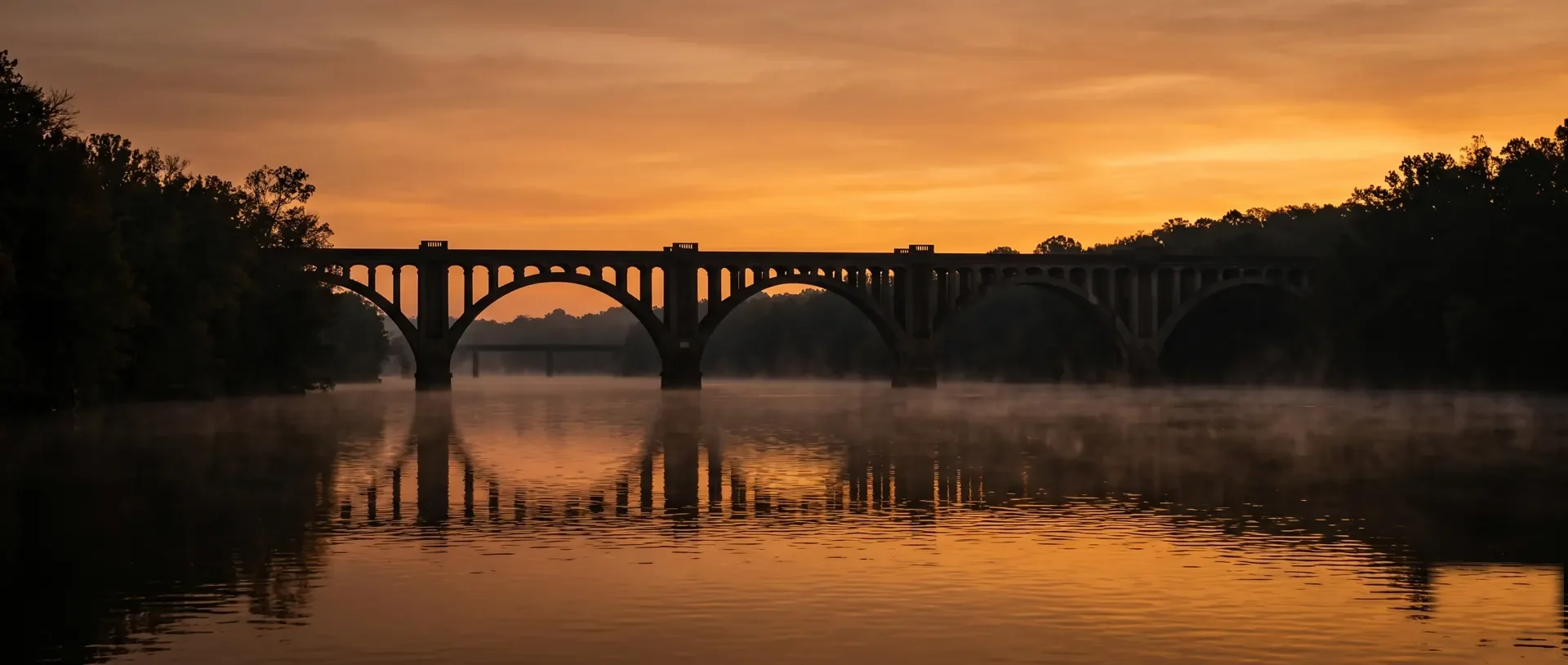 Water
Water
Class I–II downriver runs from the rapids to flat water.
Quiet
Tidal marsh boardwalks, 20 minutes east. Birders' secret.
Day trip
An hour and change puts you on Skyline Drive — the western edge of Shenandoah National Park, all overlooks and ridgeline trails.
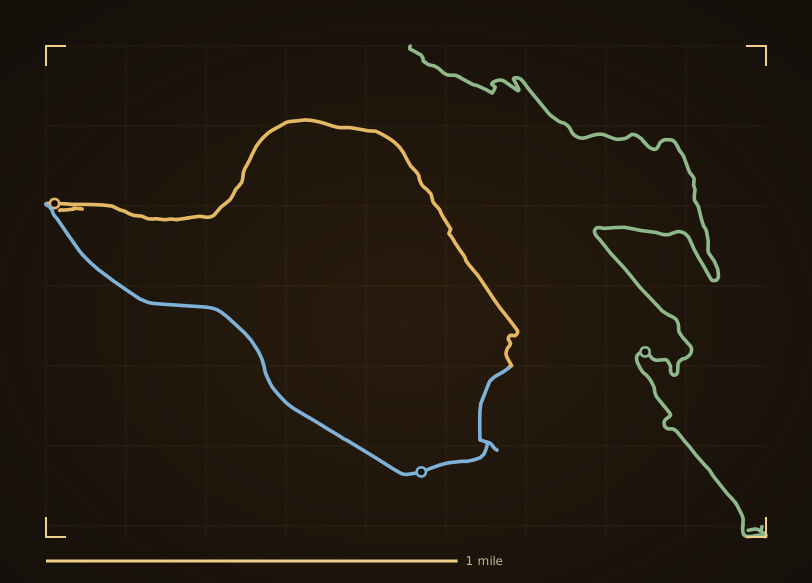
Go farther: the Virginia Central Railway Trail (2.7 mi paved), Motts Run Reservoir's lakeside loops, Crow's Nest Preserve boardwalks in Stafford, the Chancellorsville battlefield loops, and the 12-mile Dahlgren Railroad Heritage Trail out in King George.
There's no bad season — only different ones. Here's the honest read on each.
The practical bits — how to get here, where to leave the car, how long to stay.
The cleanest half-day loop: battlefield, downtown, river, then dinner without moving the car twice.
Halfway down I-95 between Washington and Richmond. By rail, Amtrak and the VRE both stop downtown — step off three blocks from Caroline Street.
Metered on-street downtown plus two public garages off Sophia and William. Free on Sundays. Leave the car once — everything's walkable from there.
A day trip covers the highlights. Two days lets you add the battlefield properly, the river, and a meal you'll remember.
On foot. The historic district is forty-odd flat blocks; the riverwalk links the parks. You won't need the car again until you leave.
This is an independent guide, not the city. For hours, tickets, and anything that has to be exactly right, go to the people who run it.